
How to Recycle Waste Lithium Batteries Safely
With the rapid growth of electric vehicles, consumer electronics, and renewable energy storage systems, the number of waste lithium batteries is increasing every year. Proper recycling is essential to reduce environmental pollution and recover valuable metals. Understanding how to recycle waste lithium batteries safely is crucial for both recycling companies and environmental protection.
1. Main Sources of Waste Lithium Batteries
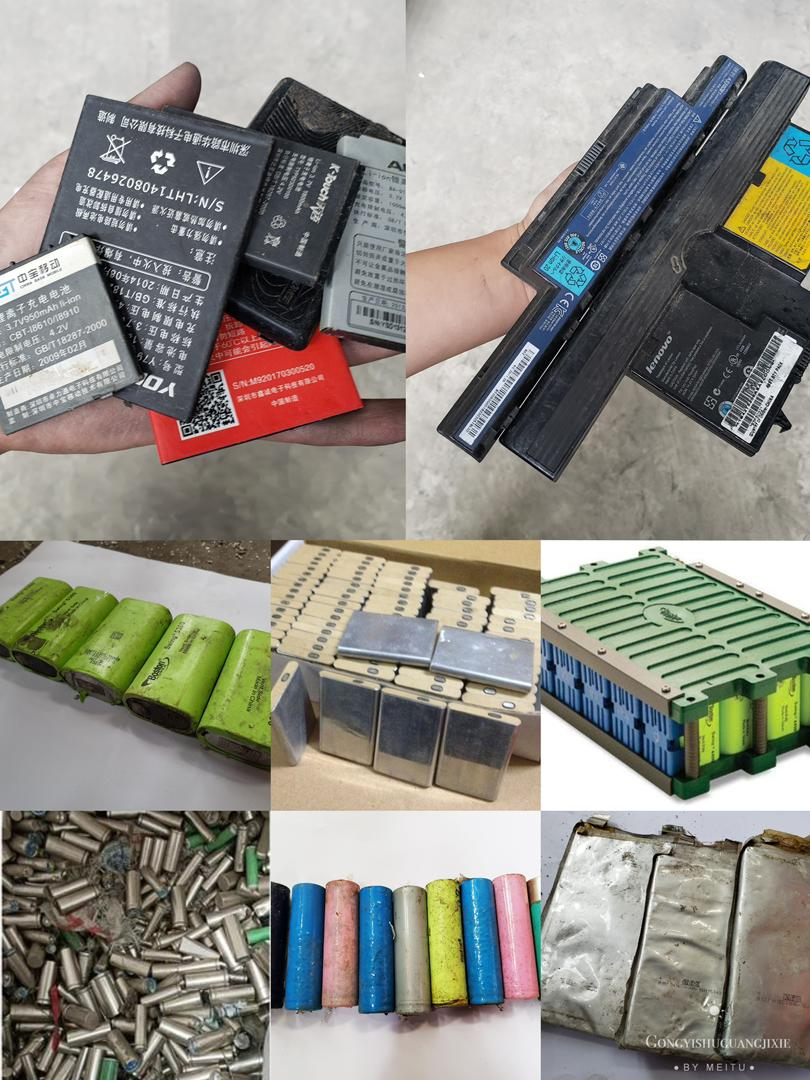
Waste lithium batteries come from several industries and applications. The most common sources include:
-
Electric vehicles (EVs) – Large lithium battery packs used in electric cars and buses eventually reach the end of their service life.
-
Consumer electronics – Smartphones, laptops, tablets, and cameras contain lithium-ion batteries that are frequently replaced.
-
Energy storage systems – Solar and wind energy storage facilities use lithium battery modules that degrade over time.
-
Power tools and equipment – Cordless tools and industrial equipment often rely on rechargeable lithium batteries.
-
E-waste recycling centers – Many discarded electronic devices contain embedded lithium battery cells.
Because of the rapid expansion of these industries, the volume of waste lithium batteries continues to grow worldwide.
2. Hazards of Waste Lithium Batteries
Improper handling of waste lithium batteries can cause serious environmental and safety risks. Key hazards include:
-
Fire and explosion risk due to internal chemical reactions.
-
Toxic electrolyte leakage that can contaminate soil and water.
-
Heavy metal pollution from elements such as cobalt, nickel, and manganese.
-
Environmental damage if batteries are disposed of in landfills or burned.
Therefore, professional recycling equipment and controlled processing methods are necessary to ensure safety.
3. Types of Waste Lithium Batteries
Lithium batteries come in several forms, and recycling methods may vary depending on the type:
-
Lithium-ion batteries (Li-ion) – The most common type used in electronics and electric vehicles.
-
Lithium iron phosphate batteries (LiFePO4) – Widely used in EVs and energy storage systems due to high safety.
-
Lithium polymer batteries (Li-Po) – Frequently used in smartphones, drones, and portable devices.
-
Ternary lithium batteries – Contain nickel, cobalt, and manganese, offering high energy density.
Identifying the battery type helps determine the most efficient recycling method.
4. Current Lithium Battery Recycling Methods
Several recycling technologies are currently used to recover valuable materials from lithium batteries:
1. Mechanical Recycling
This method involves crushing, shredding, and sorting battery components to separate metals and plastics. It is widely used as a pre-treatment process.
2. Pyrometallurgical Recycling
High-temperature smelting is used to recover metals such as cobalt, nickel, and copper. While effective, it consumes large amounts of energy.
3. Hydrometallurgical Recycling
Chemical solutions are used to dissolve and extract valuable metals. This method offers higher recovery rates and lower energy consumption.
In modern recycling plants, a combination of mechanical and hydrometallurgical processes is often used to maximize efficiency.
5. Safe Recycling Process of Waste Lithium Batteries
A typical lithium battery recycling line follows several steps to ensure safety and efficient material recovery.
Step 1: Battery Discharging
Waste batteries are first discharged to eliminate stored electrical energy and reduce fire risks.
Step 2: Dismantling and Pre-treatment
Battery packs and modules are dismantled into smaller units to prepare them for further processing.
Step 3: Crushing and Shredding
Batteries are crushed and shredded in a controlled environment to break them into smaller pieces.
Step 4: Material Separation
Various separation technologies are used, including:
-
Magnetic separation
-
Airflow separation
-
Gravity separation
-
Sieving
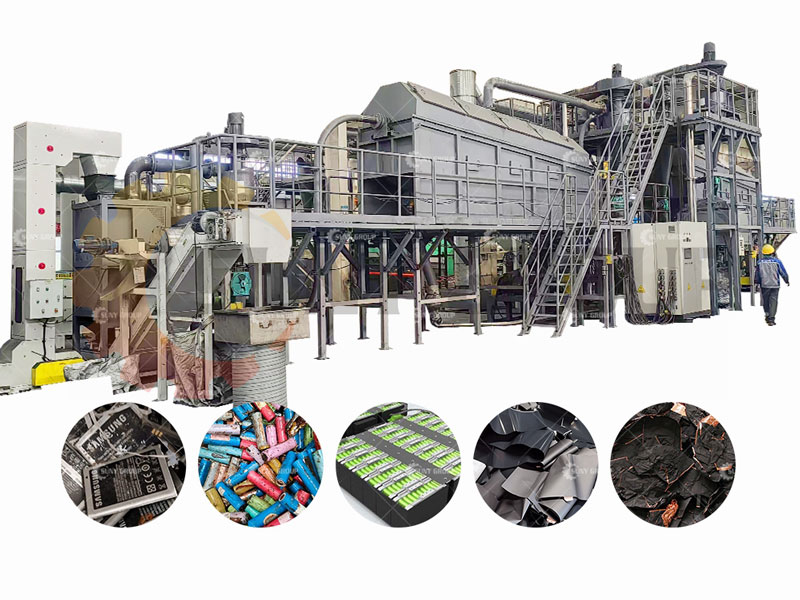
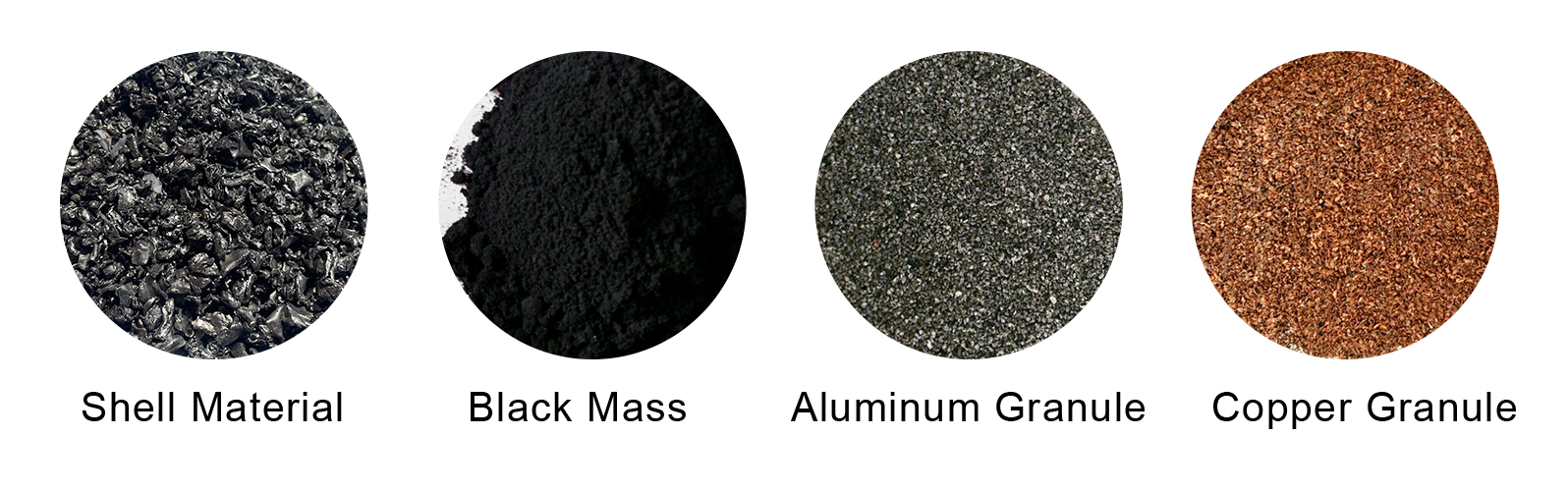
These processes separate aluminum, copper, plastics, and active materials.
Step 5: Metal Extraction
Chemical processes extract valuable metals such as lithium, cobalt, nickel, and manganese from the remaining black mass.
Step 6: Resource Reuse
Recovered metals are refined and reused in the production of new lithium batteries, electronics, and industrial materials.
Safe recycling of waste lithium batteries is essential for environmental protection and resource conservation. With proper recycling technology, valuable metals can be recovered while minimizing safety risks. As the demand for lithium batteries continues to grow, advanced recycling lines will play a key role in building a sustainable and circular battery industry.