
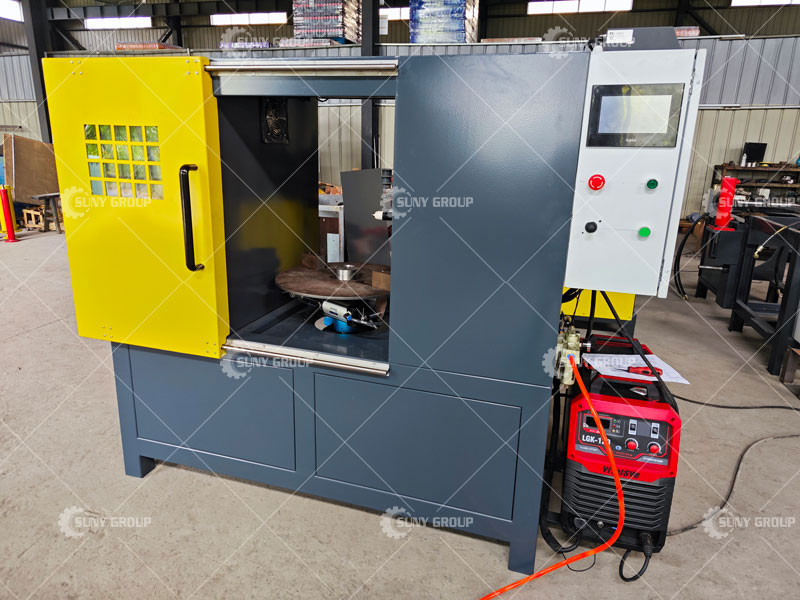
Hermetic Compressor Cutting Machine
The hermetic compressor cutting machine plays a critical role in appliance recycling and metal recovery industries. As hermetic compressors are widely used in household and commercial appliances, efficient cutting and material separation are essential for improving recycling value and environmental compliance.
1. What Appliances Use Hermetic Compressors
A hermetic compressor is a fully sealed compressor unit where the motor and compression mechanism are enclosed in a welded steel shell. Due to its compact structure and reliability, it is widely used in the following appliances:
-
Household refrigerators and freezers
-
Air conditioners (window type and split systems)
-
Dehumidifiers
-
Water coolers and beverage chillers
-
Commercial refrigeration equipment
-
Ice makers and cold storage units
These appliances generate a large volume of end-of-life hermetic compressors each year, creating strong demand for professional recycling solutions.
2. Why Hermetic Compressors Need to Be Cut
Hermetic compressors cannot be dismantled manually because of their welded steel casing. Cutting is required for the following reasons:
-
Recovery of valuable metals, including copper windings, steel shells, and aluminum parts
-
Separation of compressor oil, which must be treated according to environmental regulations
-
Safe refrigerant handling after recovery or degassing
-
Improved recycling efficiency compared with manual breaking
-
Compliance with environmental and waste electrical equipment regulations
Using a hermetic compressor cutting machine ensures safe, fast, and standardized processing.
3. Working Principle of a Hermetic Compressor Cutting Machine
A hermetic compressor cutting machine is designed to open the sealed steel shell efficiently while minimizing material loss and contamination. The typical working process includes:
-
The compressor is fixed securely on a hydraulic or mechanical clamping platform
-
A high-strength cutting tool, circular blade, or hydraulic shear applies force to the shell
-
The shell is cut horizontally or vertically to expose internal components
-
Copper coils, steel housing, and motor parts are separated manually or automatically
-
Compressor oil is collected through a drainage system
Advanced machines may include dust control, oil collection, and noise reduction systems for safer operation.
4. How to Choose the Right Hermetic Compressor Cutting Machine
When selecting a hermetic compressor cutting machine, the following factors should be considered:
-
Processing capacity: number of compressors per hour
-
Cutting method: blade cutting, hydraulic shearing, or abrasive cutting
-
Compatibility with different compressor sizes and models
-
Safety features, such as protective covers and emergency stops
-
Oil recovery system for environmental compliance
-
Automation level: manual, semi-automatic, or fully automatic
Choosing the right machine improves productivity, reduces labor costs, and maximizes recycling profits.
5. Applications of Materials After Cutting Hermetic Compressors
After processing with a hermetic compressor cutting machine, the recovered materials have high reuse value:
-
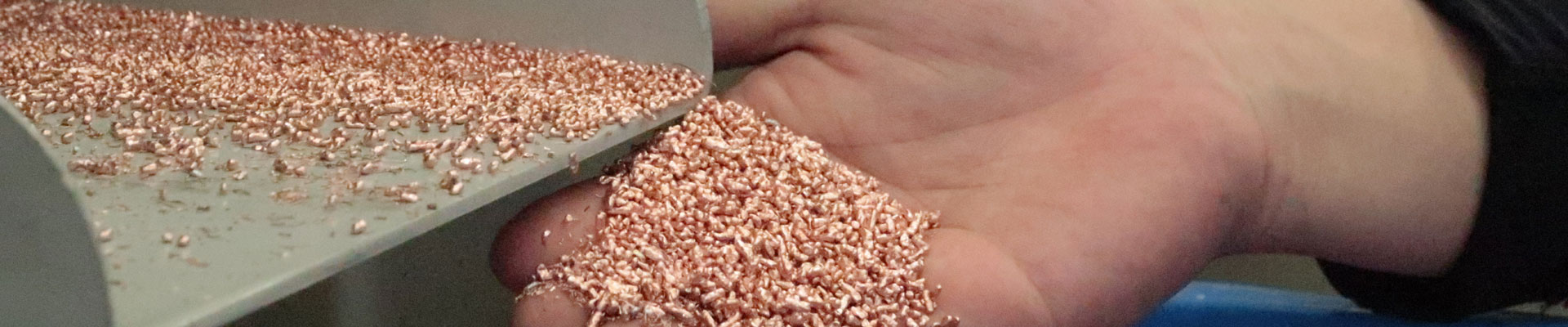
Copper windings are sold to copper smelters or reused in electrical manufacturing
-
Steel shells are recycled as scrap steel for construction and industrial use
-
Aluminum components are reused in metal casting industries
-
Recovered oil is refined or disposed of according to regulations
These materials contribute to a circular economy and significantly reduce raw material consumption.
6. Economic and Environmental Benefits
Using a hermetic compressor cutting machine provides multiple benefits:
-
Higher recovery rates of copper and steel
-
Reduced environmental pollution
-
Lower manual labor risk
-
Stable return on investment for recycling plants
With the rapid growth of appliance replacement worldwide, hermetic compressor recycling has become a profitable and sustainable industry.