
Coper Wire Recycling Project
1. Market Background and Raw Material Sources
Coper wire recycling project is driven by the growing demand for recycled metals and sustainable industrial solutions. Large quantities of waste copper wire come from power cables, communication lines, electrical appliances, motors, and electronic scrap. With global electrification accelerating, discarded copper wire continues to increase, creating a stable and long-term raw material supply for recycling projects. This market background ensures that a coper wire recycling project has strong development potential and consistent feedstock availability.

2. Importance of a Coper Wire Recycling Project
Launching a coper wire recycling project is essential for both resource conservation and waste reduction. Copper is a valuable non-ferrous metal with high conductivity and reuse value. Recycling copper wire reduces dependence on mining, lowers energy consumption, and minimizes environmental pollution. From an industrial perspective, a coper wire recycling project helps enterprises comply with environmental regulations while improving resource utilization efficiency.
3. Key Equipment Used in the Recycling Process
Professional machinery is the foundation of a successful coper wire recycling project. Common equipment includes wire shredders, crushers, granulators, airflow separators, and electrostatic sorting machines. These machines are designed to break down insulated copper wire and separate copper from plastic efficiently. Advanced automation improves processing accuracy, reduces labor costs, and ensures stable operation throughout the coper wire recycling project.
4. Complete Recycling Process and Workflow
The workflow of a coper wire recycling project begins with feeding waste copper wire into a shredder for size reduction. The material is then crushed and granulated into uniform particles. Air separation removes light plastic insulation, while electrostatic separation further purifies the copper. This systematic process guarantees high separation efficiency, making the coper wire recycling project suitable for both small-scale and industrial-level operations.
5. Final Output Materials and Application Value
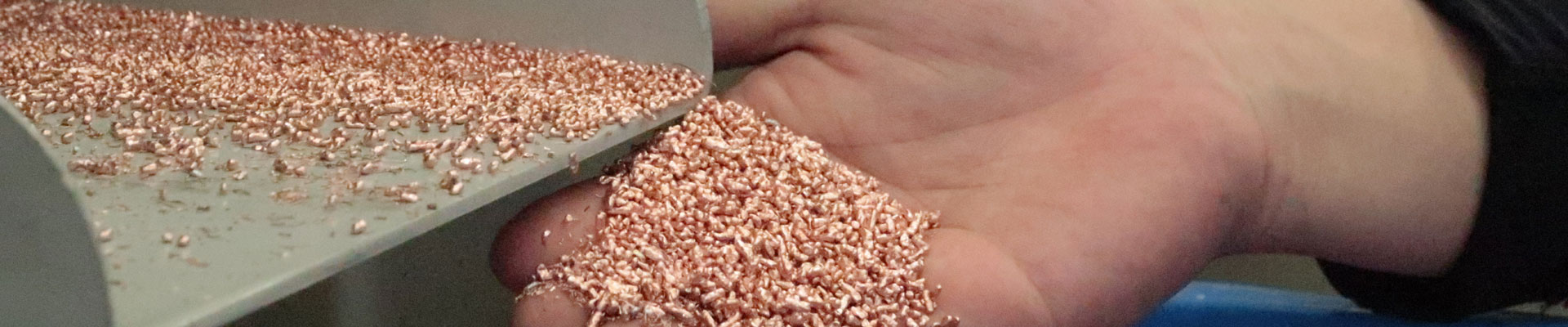
The final products of a coper wire recycling project include high-purity copper granules and separated plastic materials. Recycled copper granules can be directly used in cable manufacturing, electrical components, and metal processing industries. The plastic fraction can be reused in plastic production or energy recovery. High output quality significantly increases the market competitiveness of a coper wire recycling project.
6. Environmental and Economic Benefits
Coper wire recycling project delivers outstanding environmental and economic advantages. It reduces landfill waste, lowers carbon emissions, and conserves natural resources. Economically, recycled copper offers high profit margins due to strong market demand and stable pricing. Combined with low operating costs and scalable capacity, a coper wire recycling project represents a sustainable and profitable investment solution.