
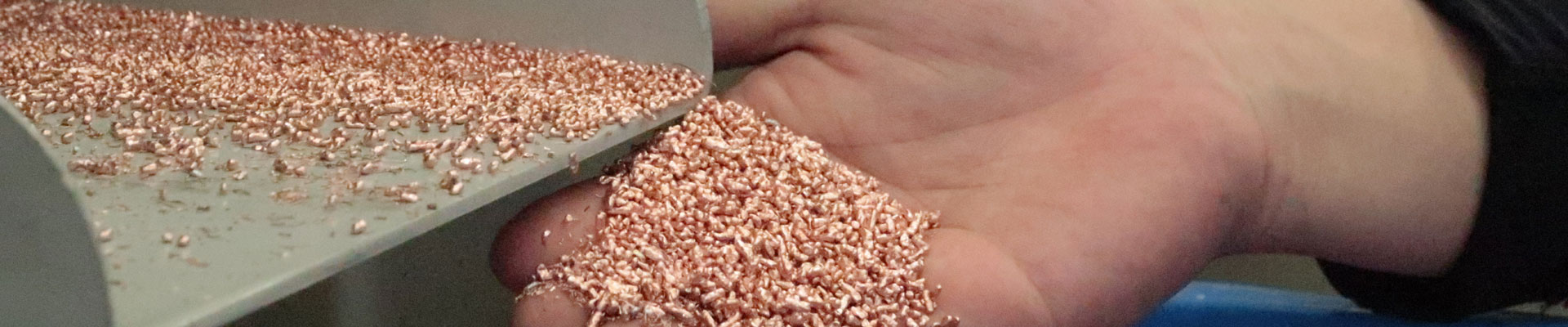
Best Solution for Waste Battery Recycling Plant
With the rapid growth of electric vehicles (EVs), energy storage systems, and consumer electronics, the global volume of waste lithium-ion batteries is increasing dramatically. However, less than 10% of lithium batteries are currently recycled worldwide, leaving a massive untapped market.
A modern waste battery recycling plant is not only environmentally necessary but also highly profitable and scalable.
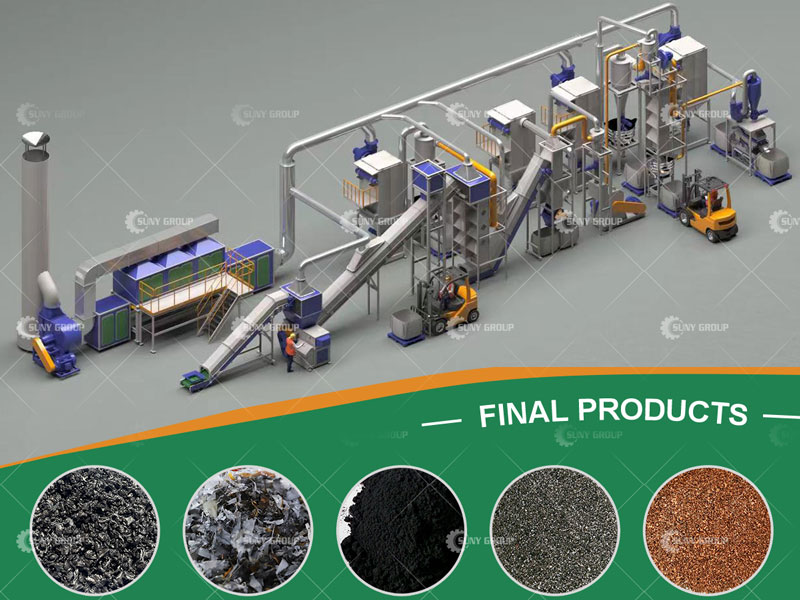
1. Massive Sources of Waste Lithium Batteries
The supply of waste batteries is continuously expanding, ensuring long-term feedstock for recycling plants:
-
Electric vehicles (EVs): Large battery packs reach end-of-life after 5–10 years
-
Consumer electronics: Smartphones, laptops, power tools
-
Energy storage systems: Solar and grid storage batteries
-
Manufacturing scrap: Defective batteries from production lines
With EV adoption accelerating, millions of battery packs will retire annually, creating a stable and scalable recycling industry.
2. Huge Profit Potential of Battery Recycling
Lithium-ion batteries contain valuable metals, making recycling economically attractive.
Valuable Materials per Ton of Batteries:
-
Cobalt: ~35 kg
-
Nickel: ~95 kg
-
Lithium: ~20 kg
-
Copper & Aluminum: significant quantities
Revenue & Profitability:
-
درآمد: $12,000–$15,000 per ton of batteries
-
Profit margin: 15%–30%
-
Payback period: 8–18 months depending on capacity
Additionally, rising demand for battery materials may triple market value by 2030, further increasing profitability.
3. Best and Most Efficient Recycling Solution (Core Section)
Recommended Process: “Mechanical + Hydrometallurgical” Integrated Solution
This is currently the most practical, scalable, and efficient method.
Step-by-Step Recycling Process:
-
Discharging & Safety Treatment
-
Prevent fire and explosion risks
-
-
Crushing & Shredding
-
Fully enclosed system
-
Produces mixed battery particles
-
-
Physical Separation
-
Airflow, magnetic, and gravity separation
-
Recovers copper, aluminum, plastics
-
-
Black Mass Collection
-
Contains lithium, cobalt, nickel
-
-
Hydrometallurgical Extraction (Core Technology)
-
Chemical leaching and purification
-
Recovery rates:
-
Cobalt/Nickel: >90%
-
Lithium: up to 70–95%
-
-
Why This Solution Is Best:
-
High recovery efficiency (up to 95%)
-
Lower energy consumption than pyrometallurgy
-
Scalable and commercially proven
-
Environmentally compliant
Hydrometallurgy already accounts for nearly 47% of global recycling revenue, proving its industrial feasibility.
4. Key Advantages of a Modern Recycling Plant
-
High automation: reduces labor cost by up to 40%
-
High recovery rates: most metals exceed 90%
-
Short ROI cycle: less than 2 years
-
Flexible capacity: 500 kg/h to industrial-scale plants
-
Environmental compliance: low emissions and waste
5. Applications of Recycled Materials
Recovered materials are widely reused in multiple industries:
-
Battery manufacturing: lithium carbonate, cathode materials
-
Metallurgy industry: cobalt, nickel refining
-
Electrical industry: copper and aluminum reuse
-
Energy storage systems: second-life battery applications
Some companies even reuse batteries directly in energy storage systems before recycling, maximizing value.
6. Feasibility and Investment Analysis
Investment Range:
-
Small plant: $150,000–$300,000
-
Medium plant: $1M–$10M
-
Large industrial plant: $10M+
Key Success Factors:
-
Stable battery supply
-
Efficient sorting and automation
-
Advanced hydrometallurgical technology
-
Environmental compliance system
With proper operation, most plants achieve profitability within 1–3 years, making this a highly feasible industrial project.
Conclusion: A High-Growth, High-Return Industry
The waste lithium battery recycling industry combines environmental necessity with strong economic returns. By adopting a mechanical + hydrometallurgical process, investors can achieve:
-
High recovery efficiency
-
Fast ROI
-
Long-term profitability
-
Sustainable business development
As global demand for battery materials continues to surge, investing in a modern lithium battery recycling plant is one of the most promising opportunities in the circular economy.