
Automated Waste Lithium Battery Recycling Production Line
With the rapid growth of electric vehicles, consumer electronics, and energy storage systems, waste lithium batteries are increasing at an unprecedented rate. An automated waste lithium battery recycling production line has become essential for environmental protection and economic sustainability. This article explains why lithium batteries must be recycled, their value, the production line configuration, and the economic benefits.
1. Why Lithium Batteries Need Recycling
Waste lithium-ion batteries pose serious environmental and safety risks if not properly handled. Key reasons include:
- Environmental Protection: Batteries contain hazardous materials such as electrolytes and heavy metals that can contaminate soil and water.
- Resource Scarcity: Valuable metals like lithium, cobalt, and nickel are limited and expensive to mine.
- Safety Concerns: Improper disposal may lead to fires, explosions, or toxic gas emissions.
Recycling helps reduce pollution while conserving critical resources.
2. Value and Economic Benefits of Recycling
Lithium battery recycling is not only environmentally necessary but also highly profitable.
Valuable Materials Recovered:
- Lithium (Li)
- Cobalt (Co)
- Nickel (Ni)
- Copper (Cu)
- Aluminum (Al)
- Graphite
Economic Advantages:
- High Recovery Value: Precious metals like cobalt and lithium have strong market demand.
- Reduced Raw Material Costs: Manufacturers can reuse recycled materials.
- Government Incentives: Many countries offer subsidies or tax benefits for recycling operations.
- Growing Market Demand: The global battery recycling market is expanding rapidly.
3. Automated Recycling Production Line Configuration
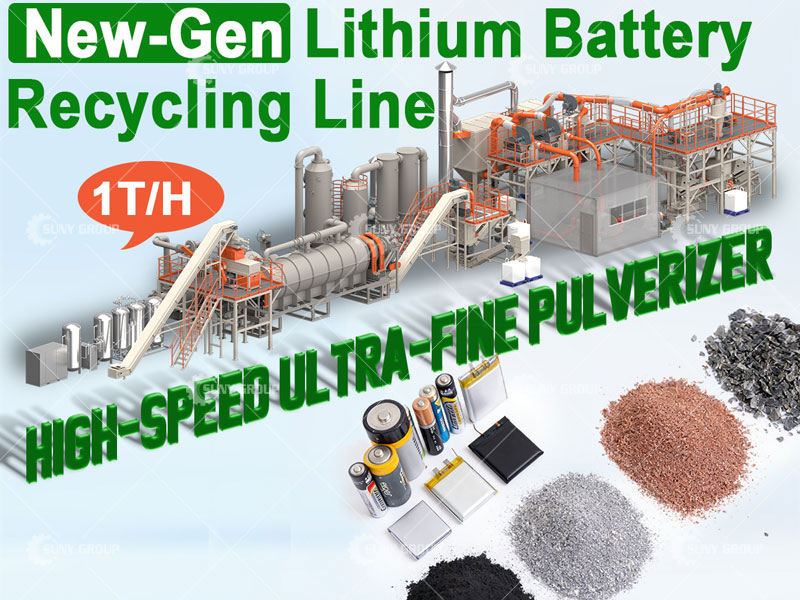
A modern automated waste lithium battery recycling line typically includes the following systems:
Pre-Treatment Section:
- Battery discharge system (ensures safety)
- Crushing and shredding machine
- Cooling or inert gas protection system
Separation Section:
- Magnetic separator (removes iron)
- Airflow separator (separates light materials)
- Vibrating screen (particle size classification)
Fine Processing Section:
- Grinding mill
- Gravity separation system
- Electrostatic separator
Dust Collection & Safety:
- Pulse dust collector
- Gas purification system
- Fire suppression system
These components work together to achieve efficient and safe material recovery.
4. Advantages of Fully Automated Systems
An automated recycling production line offers significant benefits compared to manual or semi-automatic processes:
- Higher Efficiency: Continuous operation increases processing capacity.
- Labor Cost Reduction: Minimal manual intervention required.
- Improved Safety: Automated systems reduce human exposure to hazardous materials.
- Stable Recovery Rate: Consistent separation accuracy ensures higher metal recovery.
- Scalability: Suitable for both small-scale and industrial operations.
5. Value of Recycled Materials
After processing, the recovered materials have strong commercial value:
- Black Mass: Contains lithium, cobalt, and nickel; used for refining and battery manufacturing.
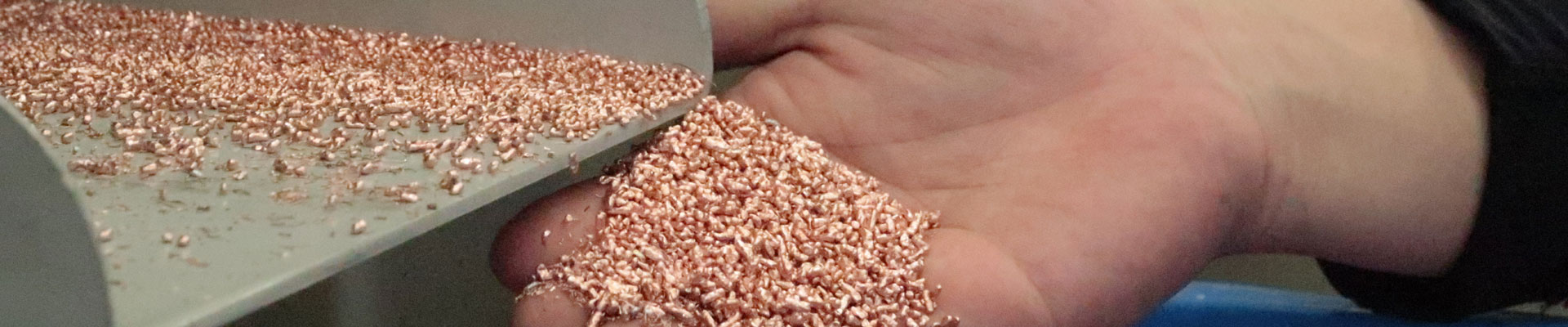
- Copper and Aluminum: Reused in electrical and industrial applications.
- Plastics and Casings: Recycled into secondary materials.
- Graphite Powder: Can be reused in battery production or industrial uses.
These outputs can be directly sold or further processed for higher profit margins.
An automated waste lithium battery recycling production line is a crucial solution for addressing environmental challenges while generating substantial economic returns. With high recovery efficiency, advanced automation, and valuable output materials, investing in lithium battery recycling technology is both sustainable and profitable. As global demand for battery materials continues to rise, recycling will play a vital role in the future circular economy.